Trusted Adviser of the Year
2023
Advancing Agricultural Sustainability: Mark Lefebvre Honored for his Commitment to Improving Environmental Outcomes in Minnesota
Mark Lefebvre - Conservation Planning Team Manager, Stearns County Soil and Water Conservation District (SWCD)
Advancing Agricultural Sustainability: Mark Lefebvre Honored for his Commitment to Improving Environmental Outcomes in Minnesota
"I go out and meet with farmers, and it's the best job," says Mark Lefebvre. "It's really encouraging to see their ethic for conservation because we really want to make sure that we're passing on sustainable soils to the next generation."
Recognized for his outstanding leadership in supporting farmers' journeys of continuous improvement, Mark Lefebvre was honored as Field to Market's 2023 Trusted Adviser of the Year. Providing support to Minnesota farmers, Lefebvre champions sustainable solutions to improve environmental outcomes on-farm and enhance long-term productivity, while helping them try sustainable practices and track their progress.
As the Conservation Planning Team Manager for the Stearns County Soil and Water Conservation District (SWCD), Lefebvre provides technical and financial assistance to landowners across the county. For over 17 years, he has been assisting farmers with identifying risks on their farming operations and finding solutions that will fit in with each individual's farm goals and operating constraints.
With a farming background, Lefebvre has a deep-rooted understanding of what the farmers he works with are facing every day - the decisions they have to balance and make, their desire for improving their land while maintaining profitability, and their passion for their work.
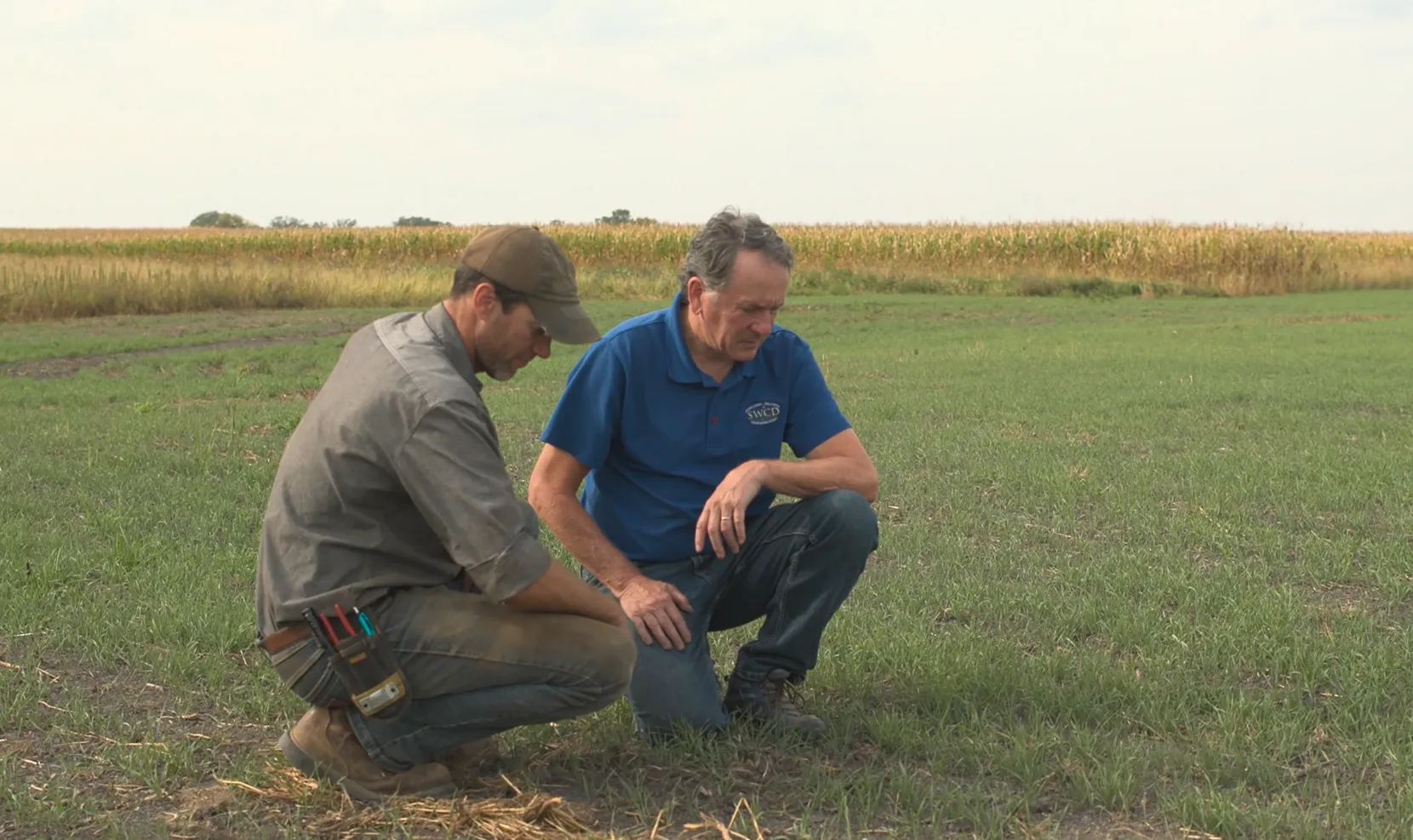
"I grew up on a dairy farm and farmed for almost 20 years after college with my dad and brother," remarks Lefebvre. "So, I always liked agriculture and I think the conservation side of it was brought up through my grandpa and my dad, who were very conservation minded." 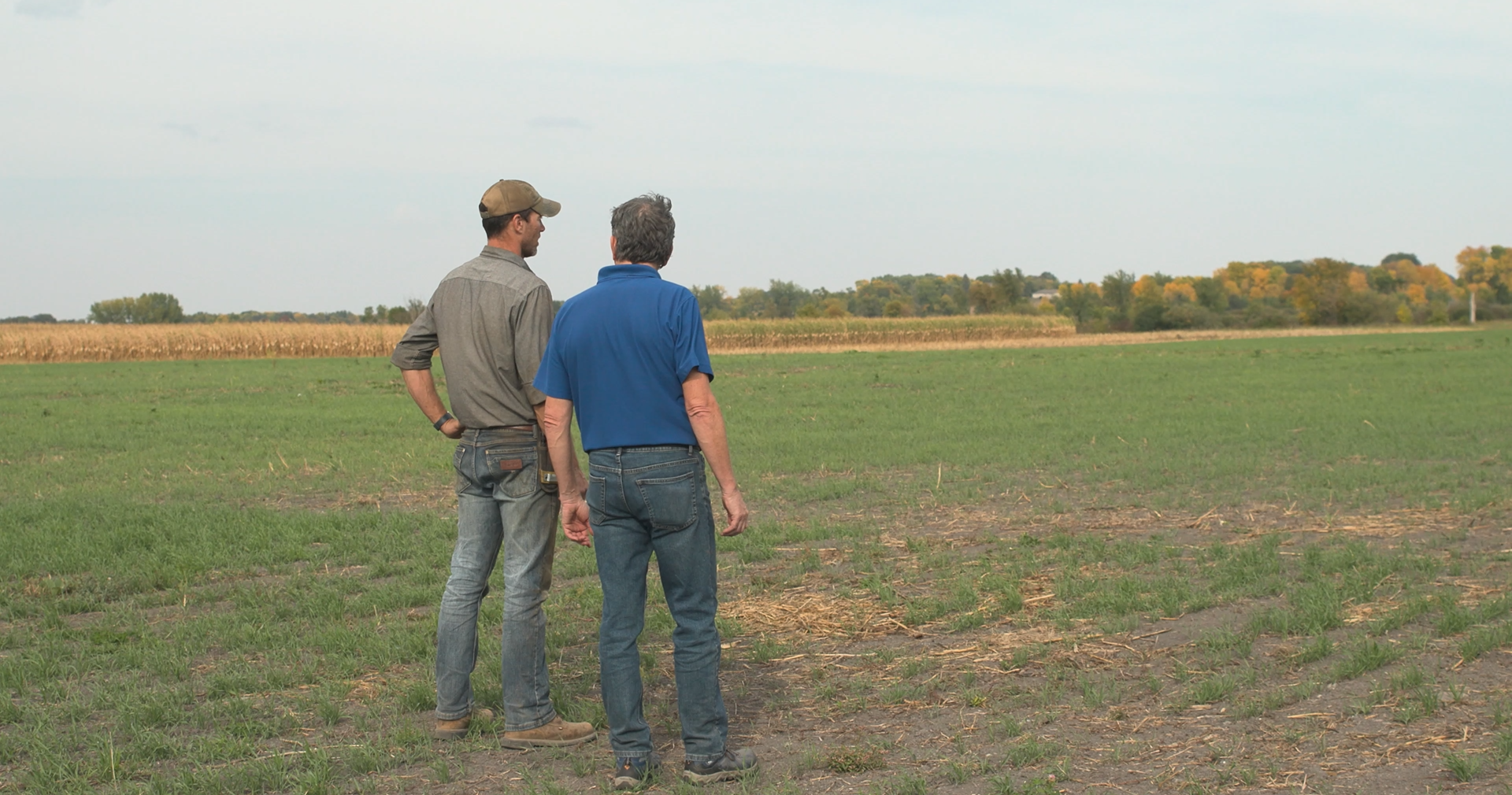
Scaling Improvement in Central Minnesota
Lefebvre serves as the lead for the Headwaters Agricultural Sustainability Partnership (HASP), also referred to as the Farming for the Future in Central MN Project, which is exploring the environmental impacts and return on investment of conservation practices.
By combining two different platforms - the Fieldprint Platform® and the Minnesota State College's Farm Business Management platform - the project combines environmental and economic metrics to see the full picture of practice implementation and the impact it has on the farm.
"Mark is the primary technical expert and field adviser to participants in the Field to Market Farming for the Future project," says Brad Jordahl Redlin, Manager of the Minnesota Agricultural Water Quality Certification Program at the Minnesota Department of Agriculture. "He has gained trust from many farmers in the region, making his role integral to the success of the project."
Bringing together a number of supply chain partners including The Nature Conservancy, Environmental Initiative, Syngenta, the Minnesota Milk Producers Association, Minnesota Extension, and the Minnesota Department of Agriculture, the project is a great example of how the supply chain can better support farmers in achieving improvement in environmental outcomes.
"There are a lot of great partners involved in the project," Lefebvre says. "Scaling success and sustainability programs is only going to happen by getting more of the supply chain involved like this."
Primarily focused on Field to Market's land use, soil conservation, soil carbon, and water quality sustainability metrics, Lefebvre works with project participants to provide useful insights into their operations, technical assistance for operation changes, and information on how to reduce environmental impacts through continuous improvement.
"As these farmers adopt new practices, or maybe they've done them now for four, five, or ten years even, we can get a little better of an idea on how the economics and environmental aspects tie together," explains Lefebvre.
Each year, Lefebvre meets with the project's farmers to go over their Fieldprint® data, as well as compare their results, when possible, to that of others in the project.
"Those results are so valuable and show us so much detail about the things that we're doing and if we're moving in the right direction or not," explains Tom Gregory, one of the project's original participants. "It helps us understand what we would need to do when we're applying nutrients, for example, to improve the spidergraph in the way we want to." 
Creating Wide-Spread Impact
Located in the Sauk River chain of lakes in Minnesota, Stearns County is in a position to make a large impact in improving water quality for both the local area and locations downriver. As Jordahl Redlin shares, they know that what they do this far up of the Mississippi River watershed has a massive impact on everything downstream and into the Gulf.
"Mark's work with the Fieldprint Platform and the Stearns SWCD will have a long-lasting effect on the watershed as it is uniquely positioned near the headwaters of the Mississippi River," explains Jordahl Redlin.
"One of the roles of the Stearns County district is, of course, to improve water quality - that's part of our mission, along with soil," says Lefebvre. "We want to continue to work with farmers to improve their practices. The more conservation we can get out on the landscape, the better for water quality."
In the over 17 years Lefebvre has been working in the area, he's seen many improvements - both on the farms that he's been working on and on the landscape.
"It's exciting to see some of the actual sampling done by a watershed district improving - it has been improving over the past 10 years," shares Lefebvre. 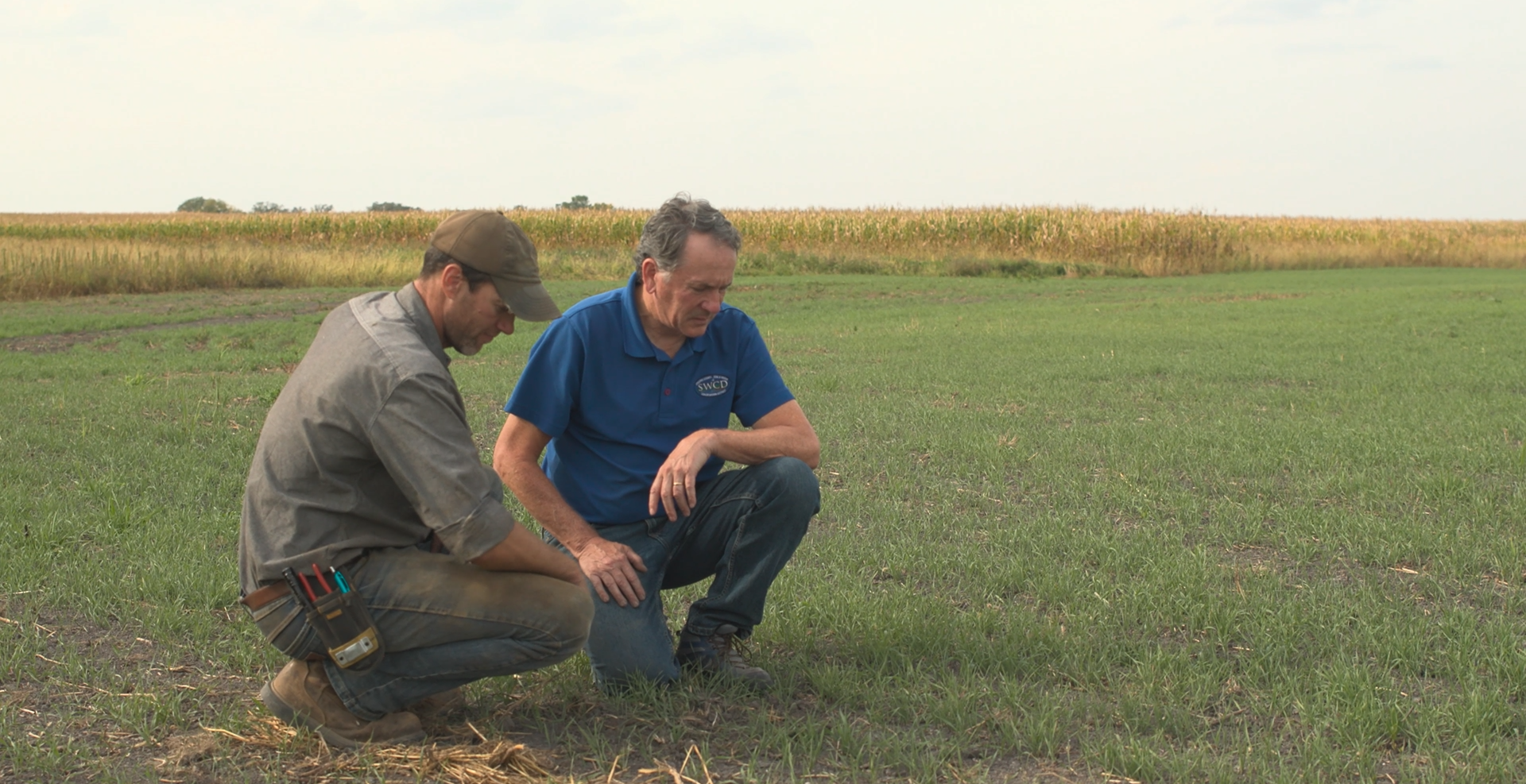
Building a Relationship Founded on Trust
If you ask anyone in this space, they'll tell you that a key aspect of success in sustainability programs is a strong relationship with the farmers involved.
"Some advice I would give to other conservation planners or conservation professionals is to stick to it. It takes follow up and relationships built over a number of years to build up some trust so that when you bring a new idea to them, they don't think you're crazy," Lefebvre says with a laugh. "Relationships with landowners is everything."
Unsurprisingly, Lefebvre has established those successful relationships, built on trust, with the farmers he works with in Stearns County. His impressive background, technical expertise, and genuine care for the farmers he works with have all contributed to his success and made the farmers he works with grateful for his assistance.
"Mark's experience in implementing conservation practices on his own farm, agriculture and program experience, and ability to communicate with farmers and partners is what makes him effective in accelerating conservation practice adoption across Stearns County and beyond," remarks Dennis Fuchs, Stearns County Soil and Water conservation District Administrator.
"From knowledge of practices and programs to application processes, to helping with data entry and answering questions… he's a one stop shop," says Ben Mergen, another project participant. "If you have a question about implementing a practice, chances are Mark knows someone already doing it and can get you first-hand dos and don'ts. Advisers like Mark will be the reason conservation participation continues to grow."
"I read an article a long time ago and it said that when you're running a business like this, surround yourself with good people and everything will fall in line," Gregory remembers. "That's what I've tried to do, and to have somebody there like Mark… it's just a benefit and I'm very happy."
The future is bright for Stearns County, Minnesota, as Lefebvre's work to advance sustainability continues.
"It's encouraging to see other farmers wanting to make continuous improvements in their operation and I'm happy to help with that," says Lefebvre. "With all the talk about climate change and other problems, I think agriculture plays a very big role in helping solve some of those issues. I look forward to the direction that we're going."
"Mark is the primary technical expert and field adviser to participants in the Field to Market Farming for the Future project. He has gained trust from many farmers in the region, making his role integral to the success of the project."
Brad Jordahl Redlin
Manager of the Minnesota Agricultural Water Quality Certification Program
Minnesota Department of Agriculture